
Protection That Penetrates the Surface
Concrete sealing in Carrollton for driveways, patios, and foundations exposed to moisture infiltration and North Texas UV damage
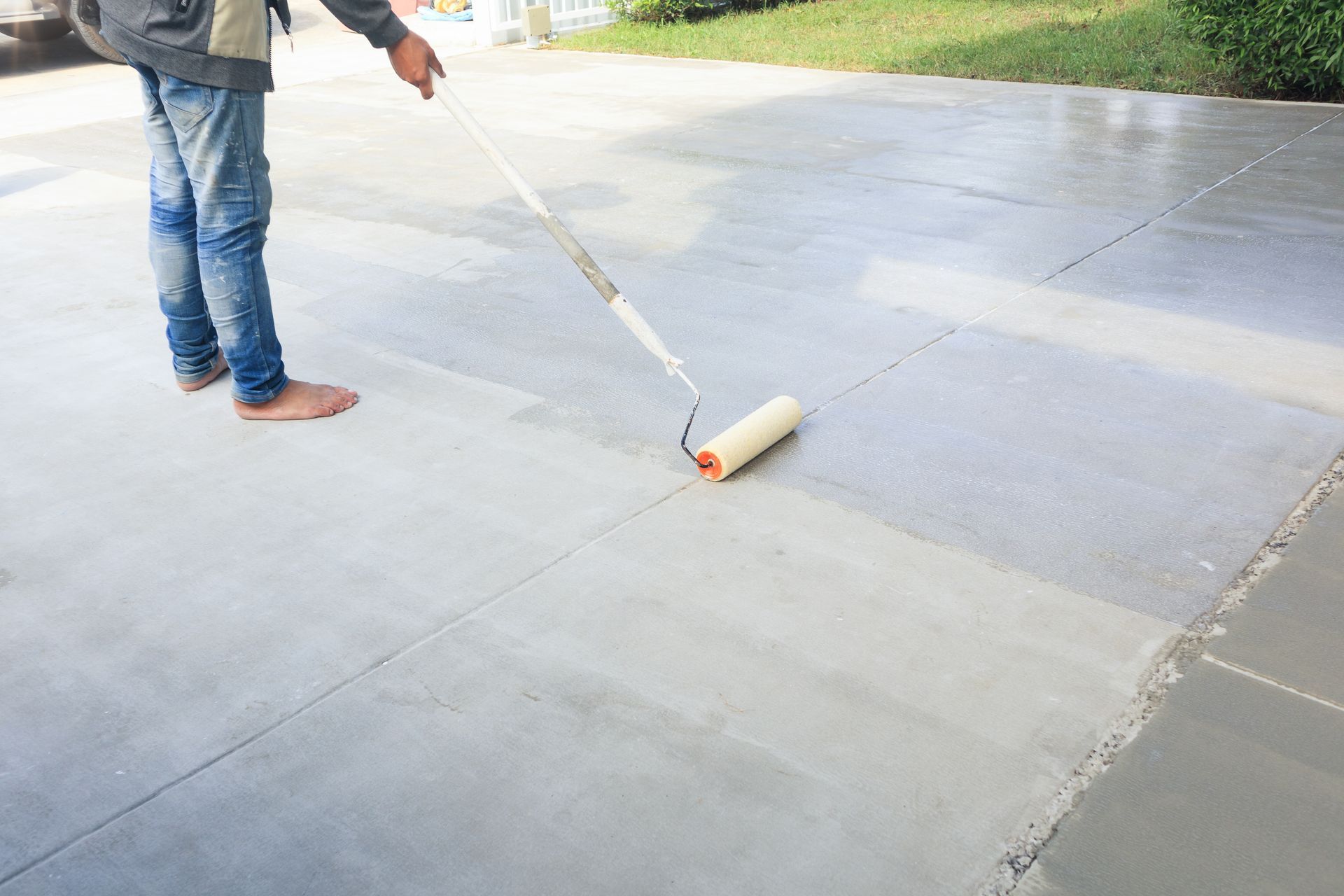
Concrete surfaces sealed with nano-silica coatings resist water damage and UV deterioration without developing the surface brittleness that topical sealers create. Nano Barrier Solutions seals concrete driveways, patios, and foundation surfaces in Carrollton using penetrating treatments that bond chemically with the concrete matrix rather than forming a layer on top. Unsealed concrete in the DFW area faces intense summer UV that breaks down surface integrity, hail season impacts that crack weathered material, and freeze-thaw winter cycles that expand moisture trapped in pores and cause internal damage.
The sealing process begins with surface inspection that identifies existing moisture damage, cracks, and staining, followed by preparation that removes contaminants and opens concrete pores for nano-particle penetration. The nano-silica sealing spray contains particles small enough to enter the concrete structure and form hydrophobic bonds that prevent water and oil from absorbing into the material while allowing the concrete to maintain flexibility through temperature changes, which prevents the cracking that rigid surface coatings cause when concrete expands in heat.
Arrange a surface inspection to evaluate concrete condition and sealing requirements for your property.
Why Molecular Sealing Works in Texas Climate
The nano-silica treatment bonds to calcium hydroxide within the concrete through a chemical reaction called pozzolanic bonding, which creates a permanent water-repellent barrier integrated into the material rather than applied on the surface. This matters in North Texas because daily temperature swings cause concrete to expand and contract continuously, and surface-layer sealers crack and peel under this stress while molecular bonds flex with the material.
After sealing cures, you'll see water bead and roll off the concrete instead of darkening the surface as it soaks in, oil spills wipe away without leaving stains that require scrubbing or chemical treatment, and the concrete color stays consistent rather than fading unevenly under constant sun exposure. The surface dries quickly after rain because water can't penetrate, which also means freeze-thaw damage stops occurring since there's no moisture inside the concrete to expand when temperatures drop.
Sealing does not fill existing cracks or repair structural damage, and it works most effectively on concrete that hasn't already suffered extensive deterioration. The inspection process determines whether repair work should precede sealing, and it identifies drainage issues that might continue causing problems even after the concrete surface becomes water-resistant.
Common Sealing Questions From Property Owners
Concrete sealing decisions depend on understanding how different treatment approaches perform under the specific conditions your surfaces face.
What makes nano-silica sealing different from standard concrete sealers?
Standard sealers sit on top of the concrete and form a film that traffic and weather gradually wear away, while nano-silica particles penetrate the surface and create chemical bonds within the concrete matrix that last for years without visible surface coating.
How does sealing prevent freeze-thaw damage in Carrollton winters?
The hydrophobic barrier stops water from entering concrete pores, which eliminates the moisture that expands when temperatures drop below freezing and creates internal pressure that cracks the material from within.
When should concrete be sealed after installation?
New concrete needs 28 days to cure fully before sealing so moisture naturally present in fresh concrete can evaporate, while existing concrete can be sealed immediately after cleaning and drying as long as no structural repairs are needed first.
What surfaces does the sealing treatment work on?
The nano-silica formula bonds effectively with standard concrete used in driveways, patios, sidewalks, and exposed foundation walls, though it does not adhere properly to surfaces previously coated with acrylic or epoxy sealers that block penetration.
How do you know if concrete needs sealing?
Water that soaks into the surface instead of beading indicates the concrete is absorbing moisture, uneven dark patches after rain show where deterioration has increased porosity, and oil stains that won't wash away mean the surface has lost its ability to resist penetration.
Nano Barrier Solutions provides concrete sealing services throughout Dallas, Fort Worth, Arlington, and Plano with treatment plans based on surface condition, exposure level, and the specific climate challenges your property experiences. Contact our team at (945) 500-6903 to schedule a concrete evaluation and discuss sealing options appropriate for your driveway, patio, or foundation surfaces.