Delay Replacement Without Compromise
Shingle Life Extension in Carrollton for roofs approaching the end of their rated lifespan but not yet showing structural failure
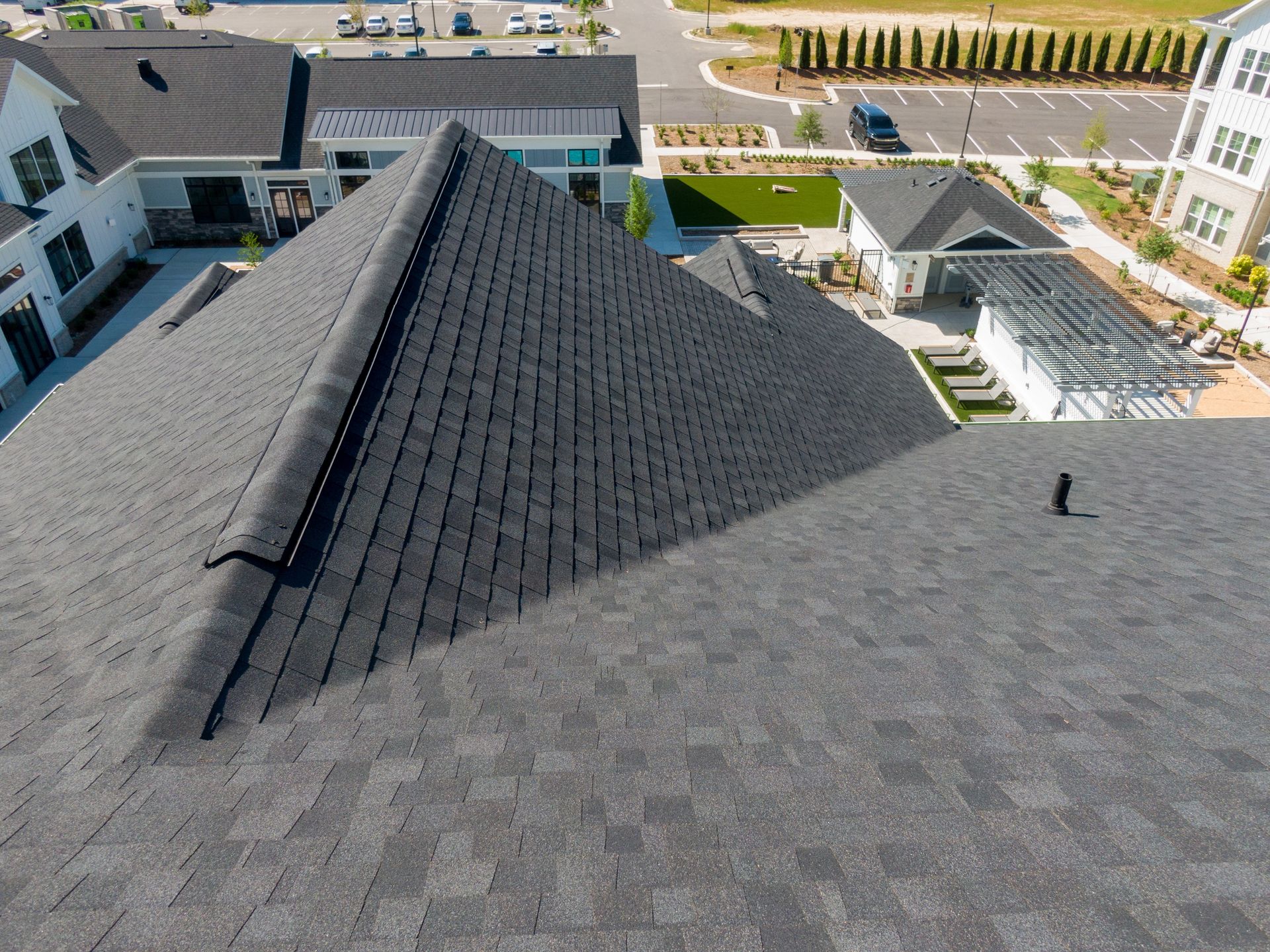
Asphalt shingles in the DFW region lose flexibility years before they lose structural integrity because sustained heat exposure causes volatile plasticizers to evaporate from the asphalt matrix, leaving the material brittle and prone to cracking under mechanical stress. Nano Barrier Solutions applies nano-particle coating to existing shingles that restores this lost flexibility and adds ten to fifteen years of service life by chemically bonding with the asphalt compounds at the molecular level. This treatment works on shingles of various ages and conditions as long as the protective granule layer remains at least fifty percent intact and the underlying mat has not delaminated from years of moisture infiltration.
The nano-silica liquid spray penetrates the shingle surface and fills micro-voids created by oxidation, re-establishing the molecular bonds needed for the material to flex during temperature swings without fracturing. In high-heat climates like North Texas, where roof surface temperatures routinely exceed 160 degrees in summer and drop below freezing on winter nights, this flexibility determines whether shingles survive hail impacts and thermal cycling or fail catastrophically during the next severe weather event.
Set up a roof inspection to determine whether your shingles qualify for life extension treatment based on current granule coverage and material condition.
Why Extension Treatment Works Long-Term
The coating is applied as a single-visit spray treatment that requires no removal of existing shingles or structural modification to the roof assembly. Nano-particles migrate into the asphalt layer as the liquid carrier evaporates, forming chemical bonds that remain stable under UV exposure and temperature extremes. This approach addresses the root cause of shingle aging—loss of plasticizer compounds that maintain mechanical flexibility—by substituting molecular-scale silica particles that provide the same function without the volatility of organic plasticizers.
After treatment, you'll observe that shingles no longer crack when walked on during maintenance, granules stop accumulating in gutters after rainstorms, and the roof surface loses the brittle texture that signals advanced oxidation. The shingles regain enough flexibility to absorb hail impacts without shattering, which is critical in a region where spring storm season routinely produces damaging hail and untreated aging roofs often sustain total loss claims from events that newer roofs survive with minimal damage.
Extension treatment requires no maintenance or re-application during the warranty period and does not alter the roof's appearance or drainage characteristics. The coating integrates with the existing shingle chemistry rather than forming a separate layer, which means there are no delamination points or moisture traps that could compromise the roof assembly over time.
Frequently Asked Questions About Extension Treatment
Homeowners across Dallas, Fort Worth, Arlington, Irving, Plano, and Addison want to understand how extension treatment compares to replacement and what determines whether their roof is a viable candidate.
What shingle conditions disqualify a roof from extension treatment?
Shingles with less than fifty percent granule coverage, widespread cracking that exposes the underlying felt, or mat delamination visible as bubbling or cupping cannot be effectively treated because the coating restores flexibility but does not rebuild lost material or repair structural separation.
How does the treatment perform during Texas hail season?
Restored flexibility allows shingles to absorb impact energy and return to their original shape rather than cracking on contact, which is why treated roofs often survive hail events that cause catastrophic damage to untreated roofs of the same age and original quality.
Why does the coating last longer than conventional sealers?
Nano-silica particles bond chemically with asphalt at the molecular level and do not rely on adhesion to the surface, which means thermal expansion and UV exposure do not cause peeling or delamination the way they do with acrylic or elastomeric coatings that sit on top of the shingle.
What happens during the application process?
A trained crew applies the liquid coating using spray equipment designed for even particle distribution, covering all exposed shingle surfaces in a process that typically takes four to six hours and requires no disruption to the building's interior or occupancy.
How much does extension treatment cost compared to replacement?
Treatment typically costs fifteen to twenty percent of full replacement cost while extending service life by a decade or more, making it a cost-effective option for roofs that have aged past their midpoint but have not yet developed the structural failures that require complete re-roofing.
Nano Barrier Solutions applies extension treatment throughout the metro area, with crews experienced in evaluating shingle condition and determining whether nano-particle coating will deliver the expected service life increase. Arrange a property assessment to review your roof's specific wear patterns and discuss whether extension treatment is the appropriate strategy for delaying replacement costs.